⇠
⇢
Color is a power which directly influences the soul
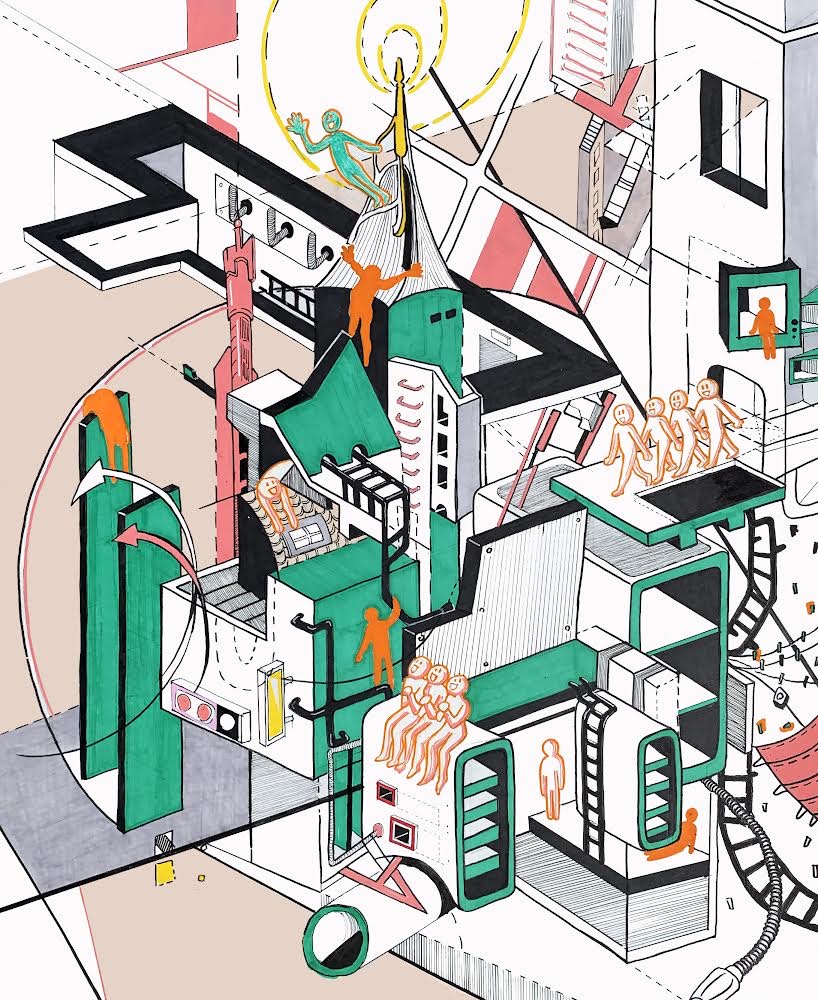
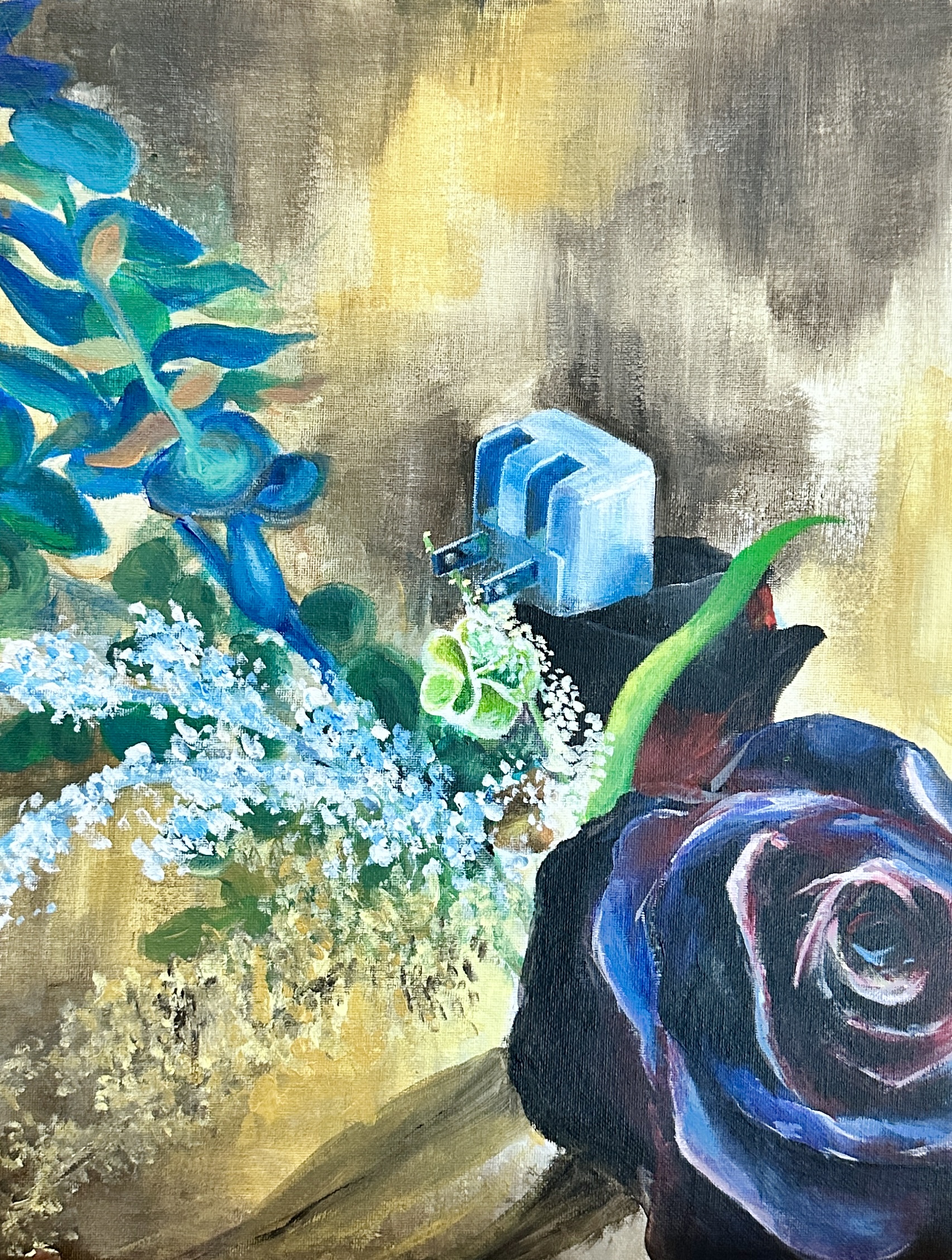
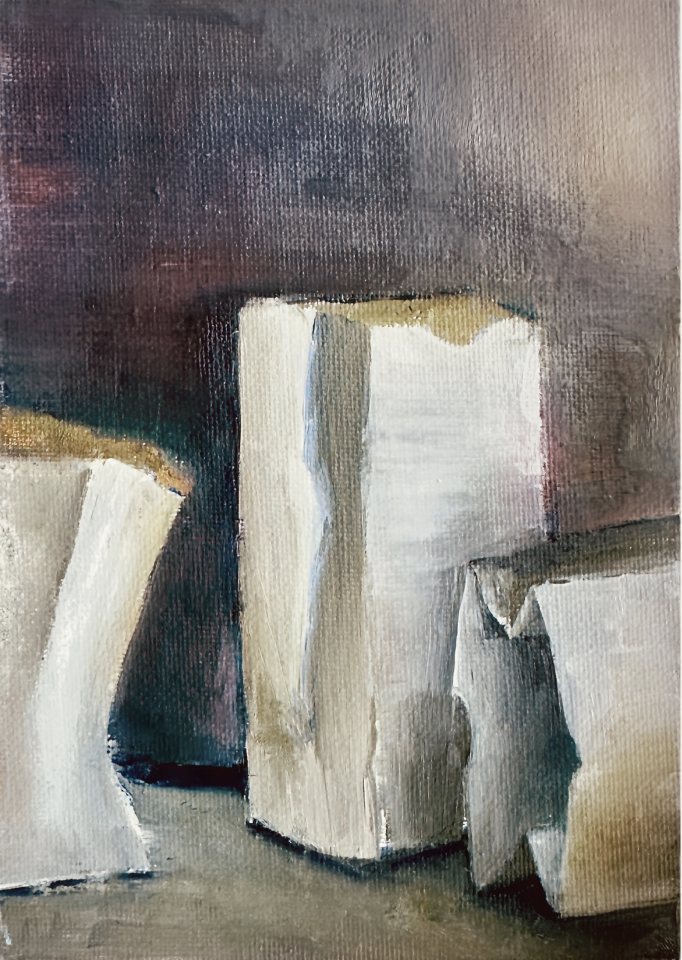
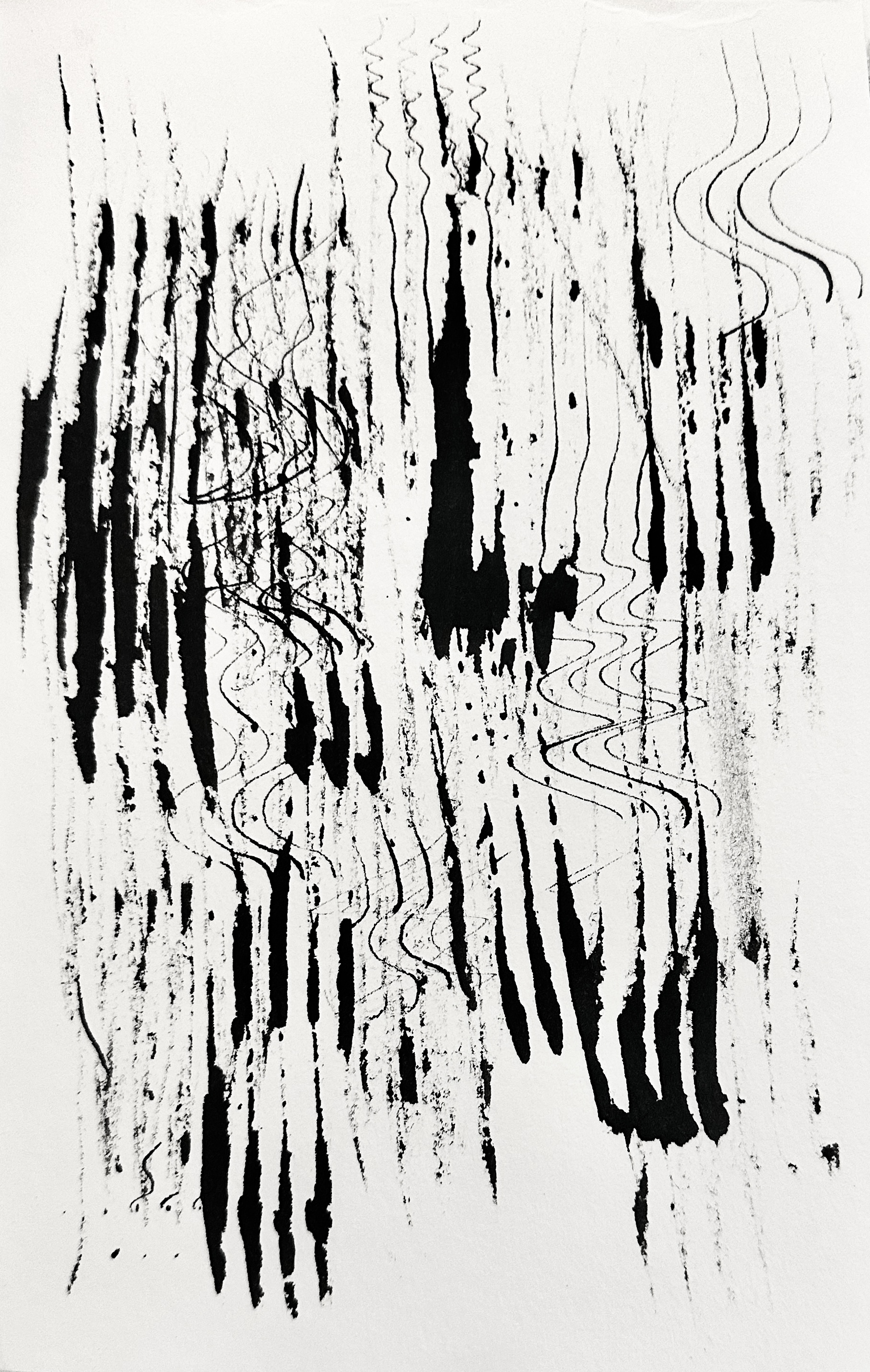
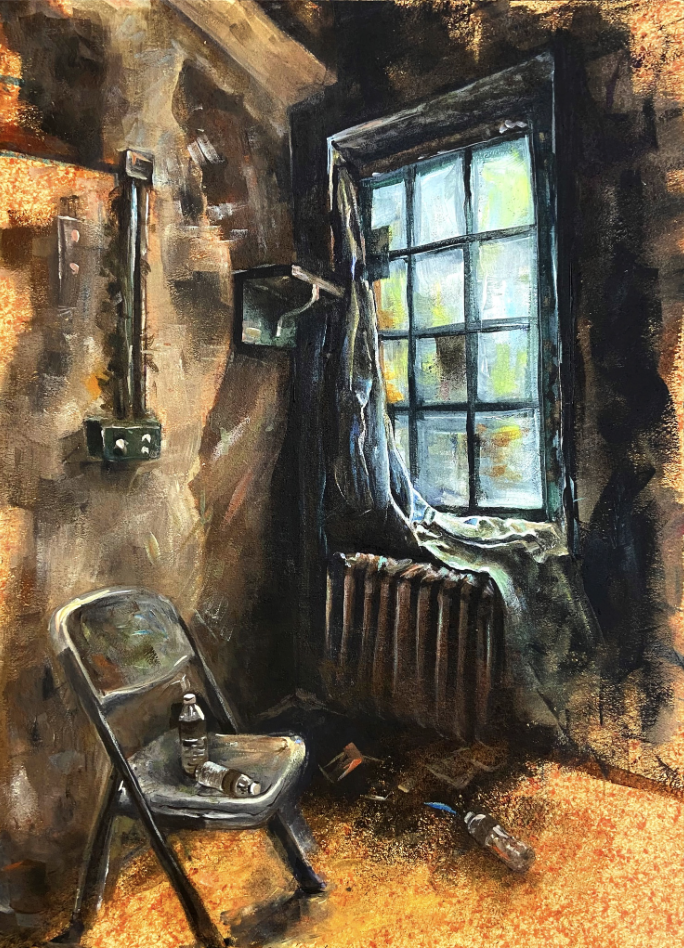
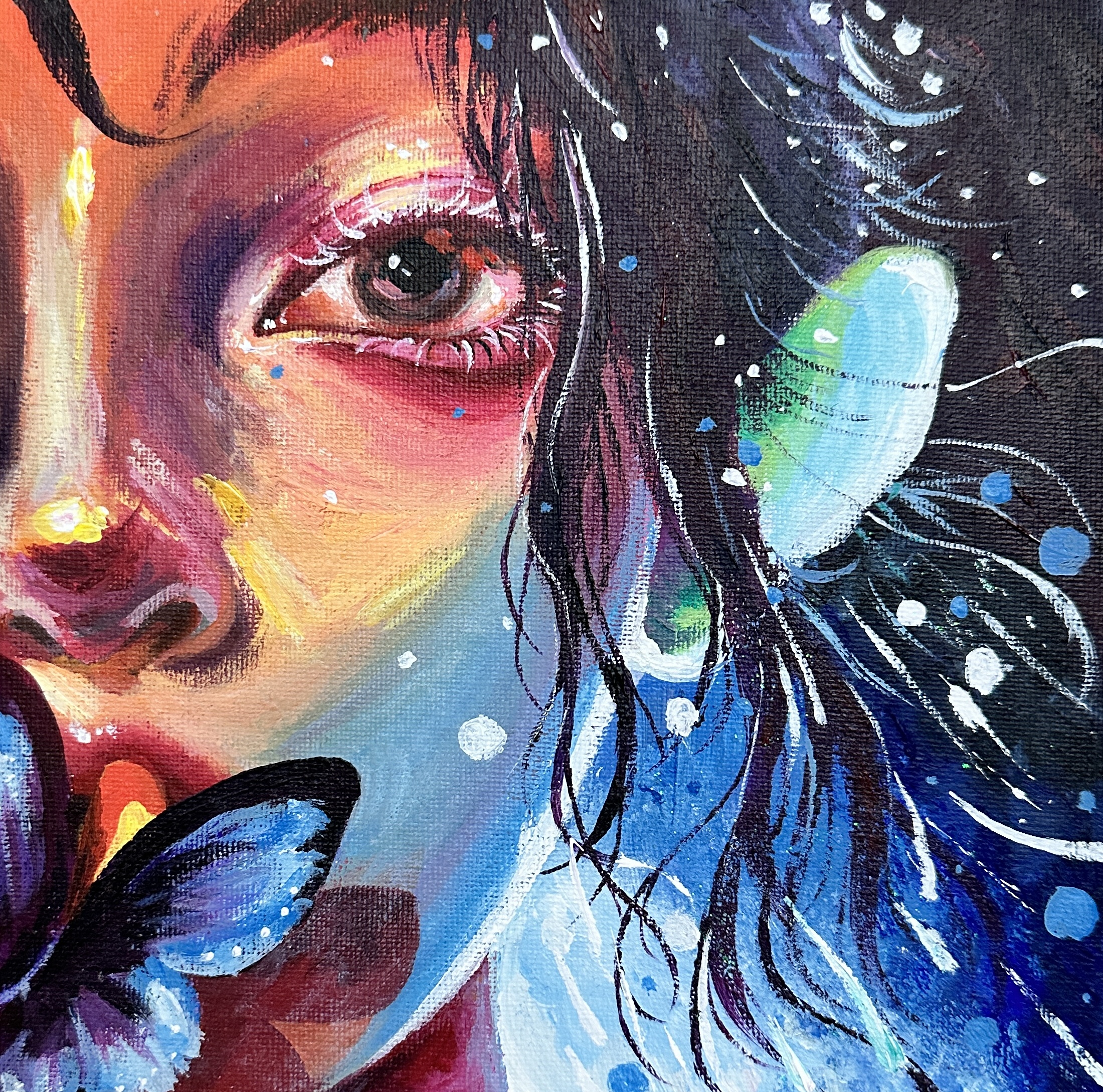
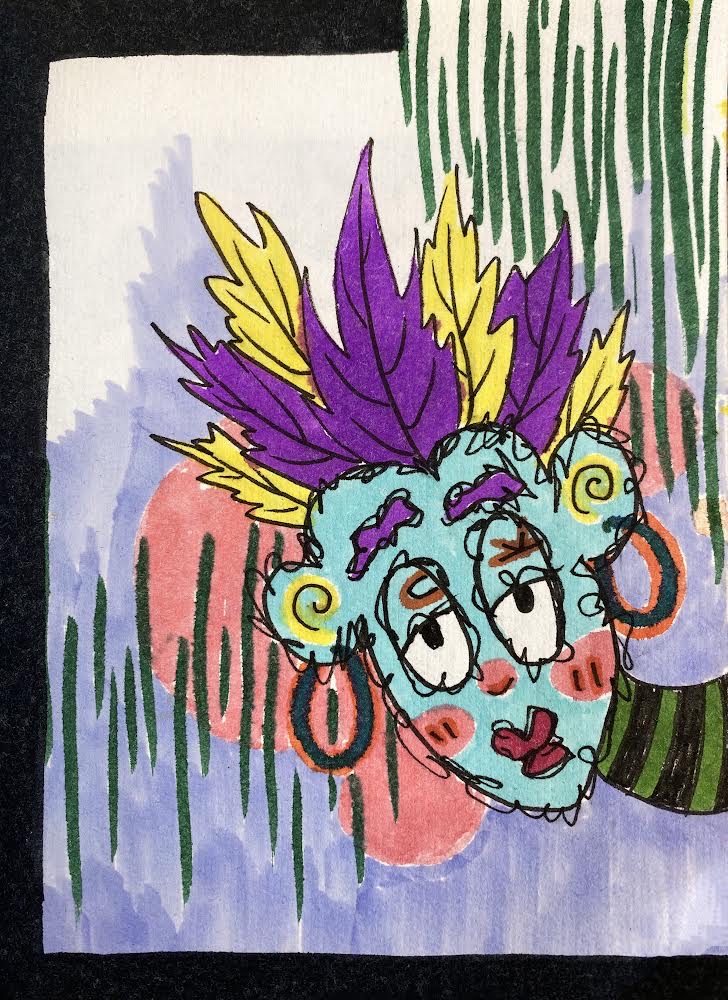
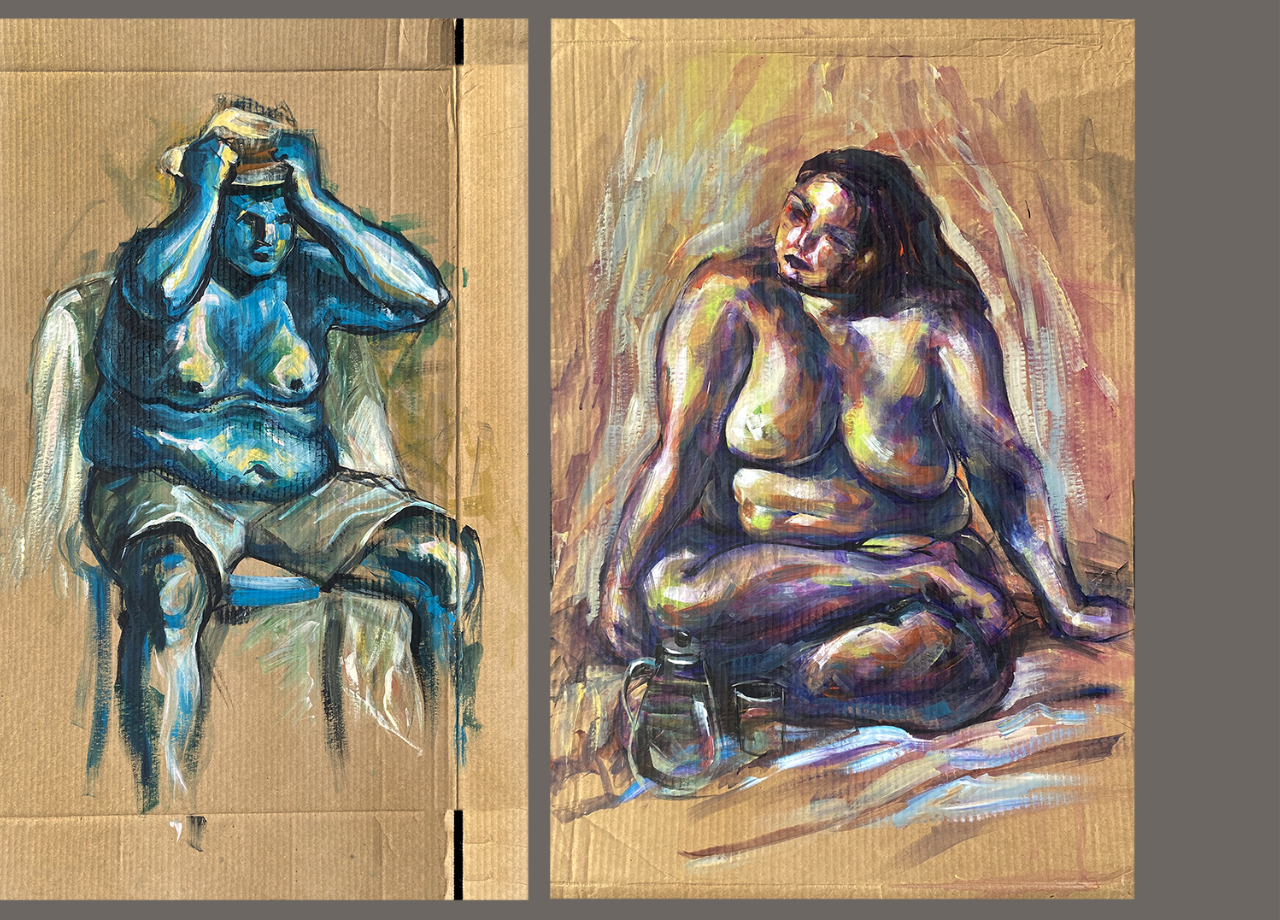
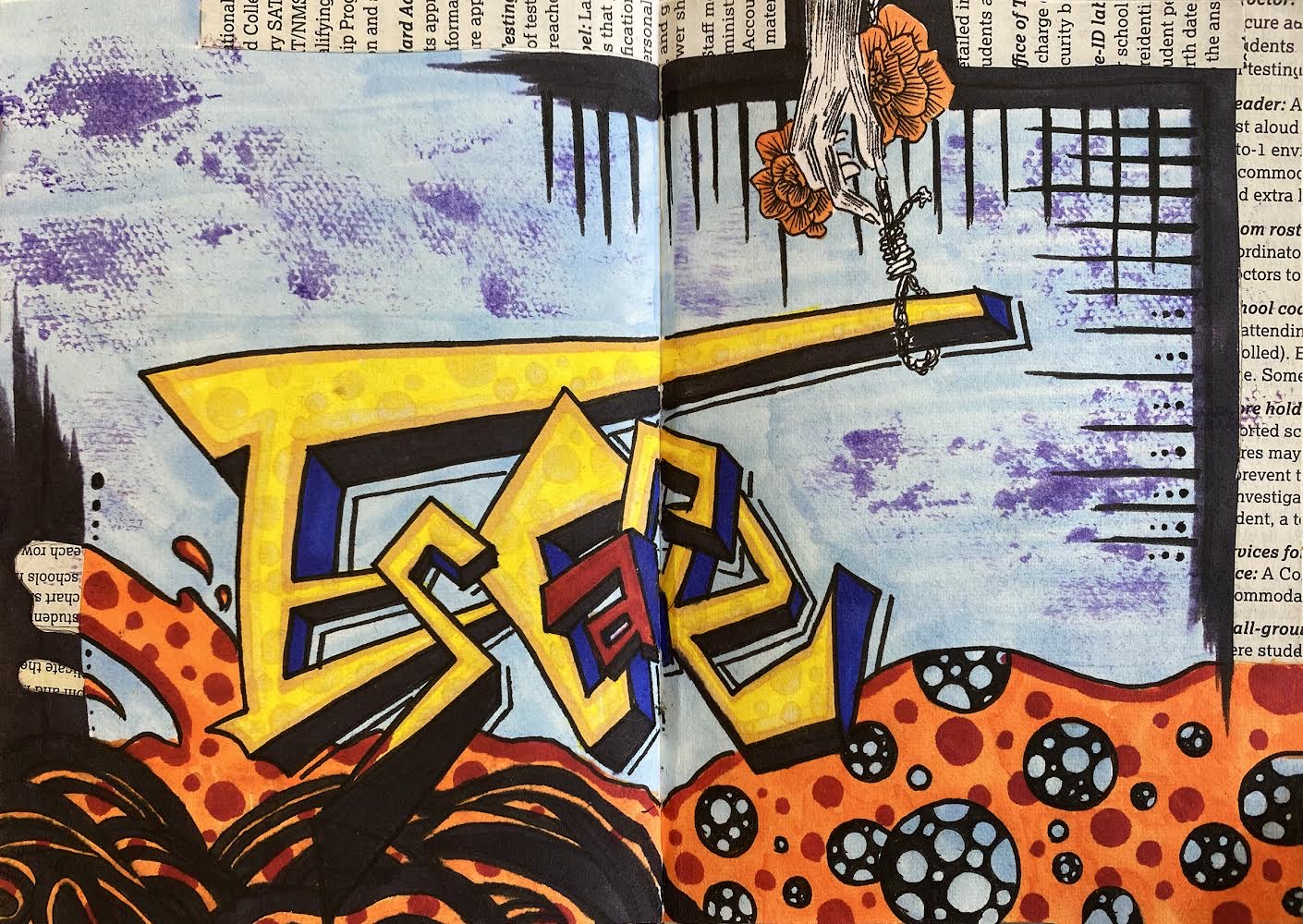
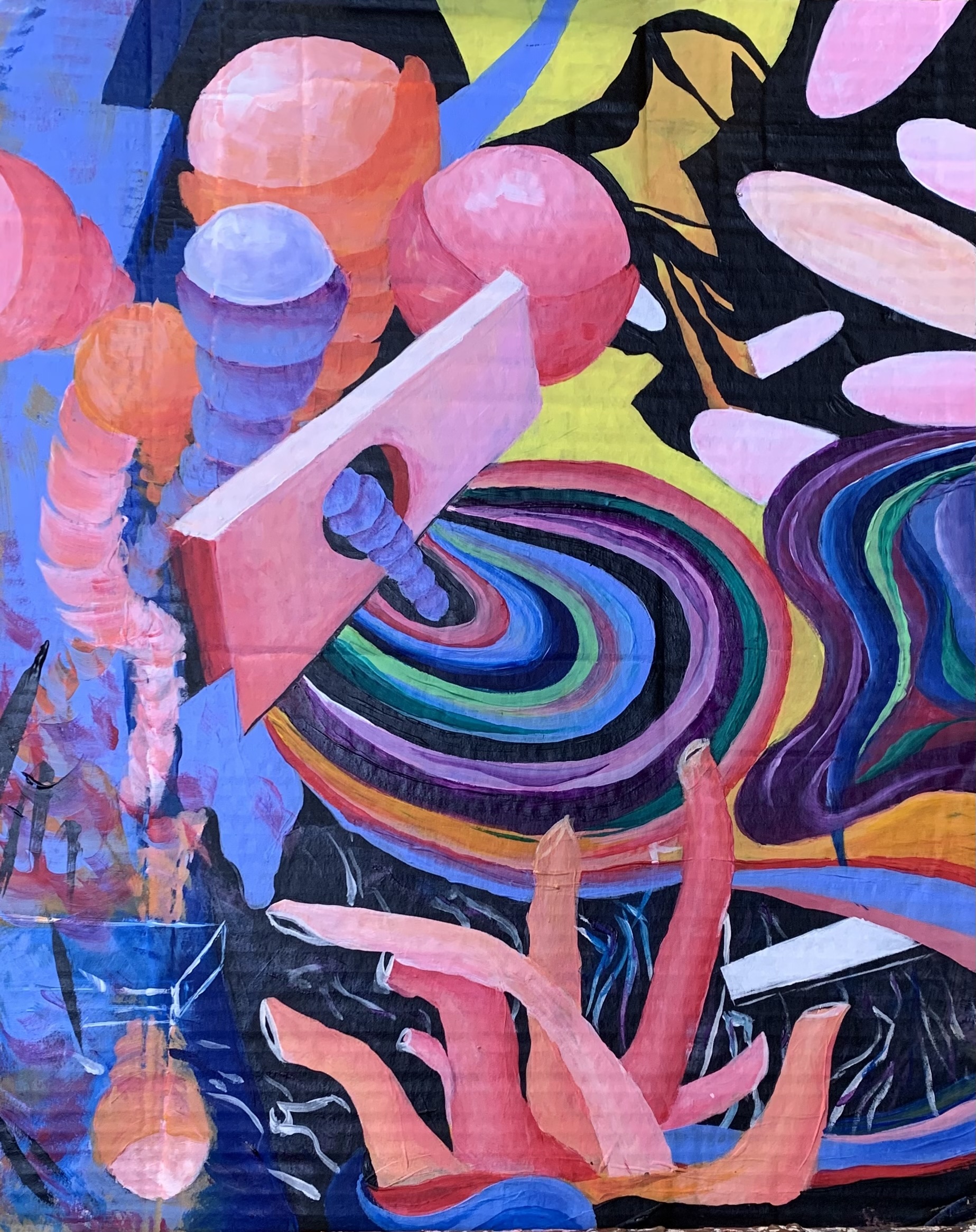
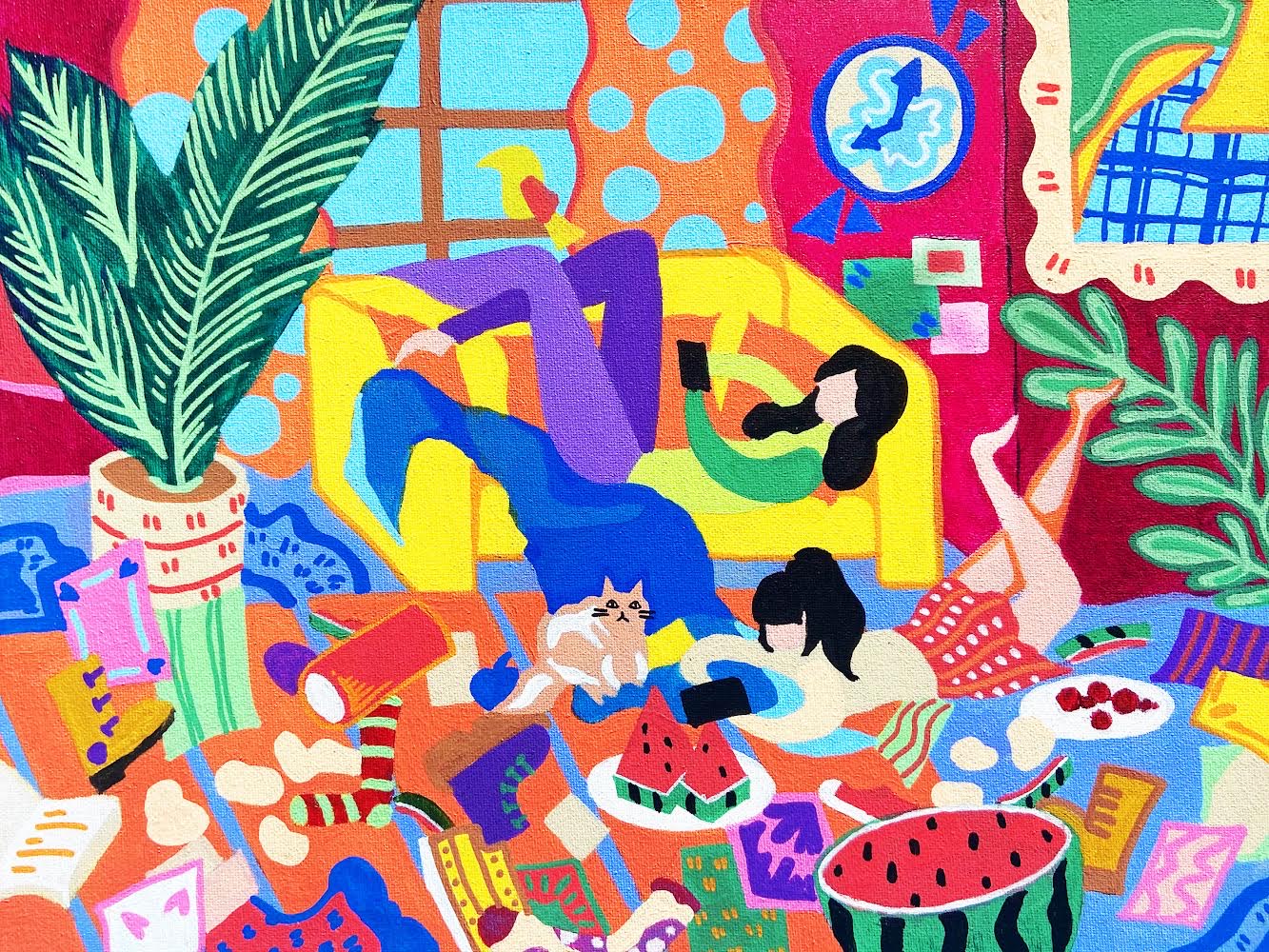
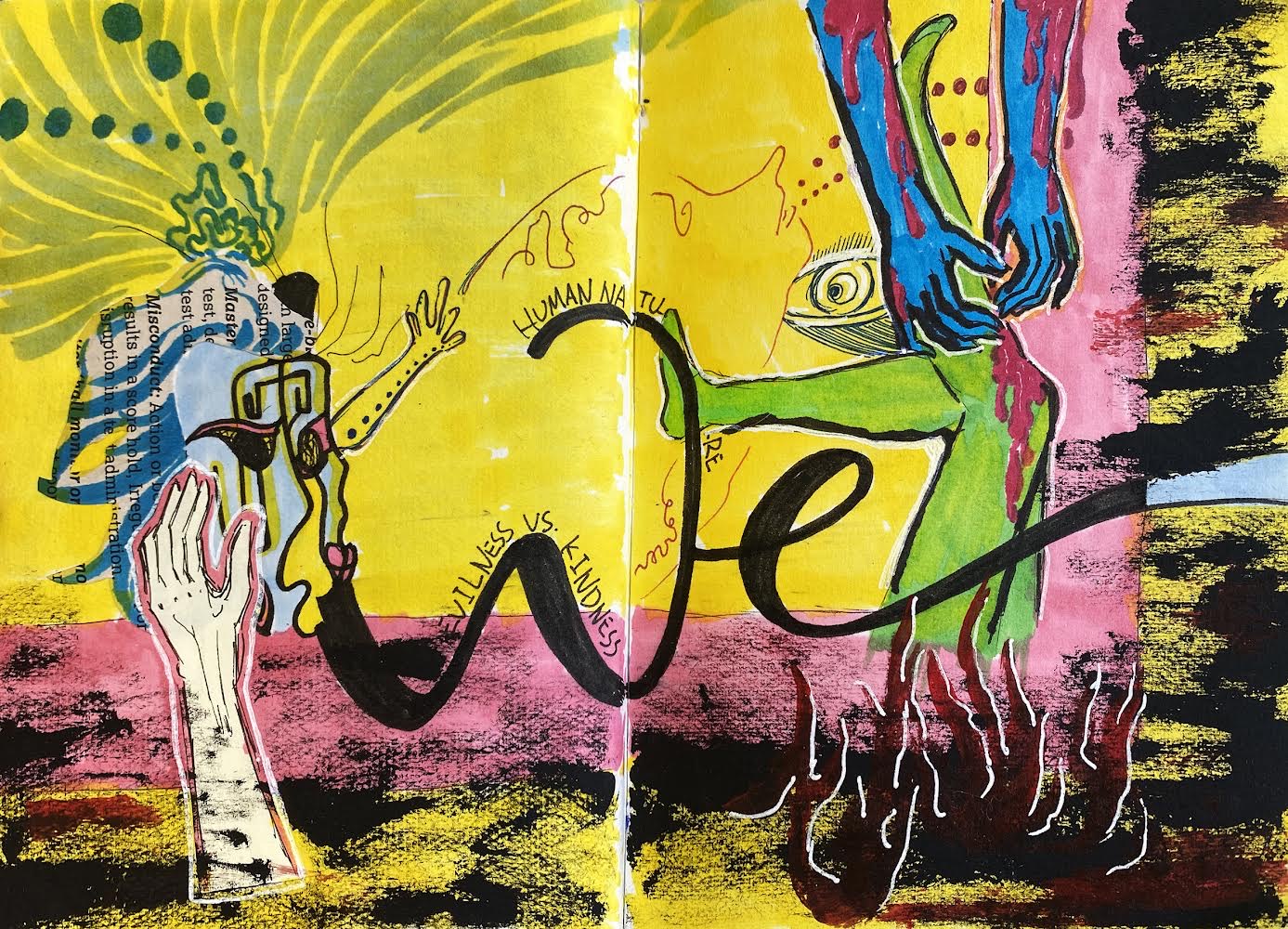
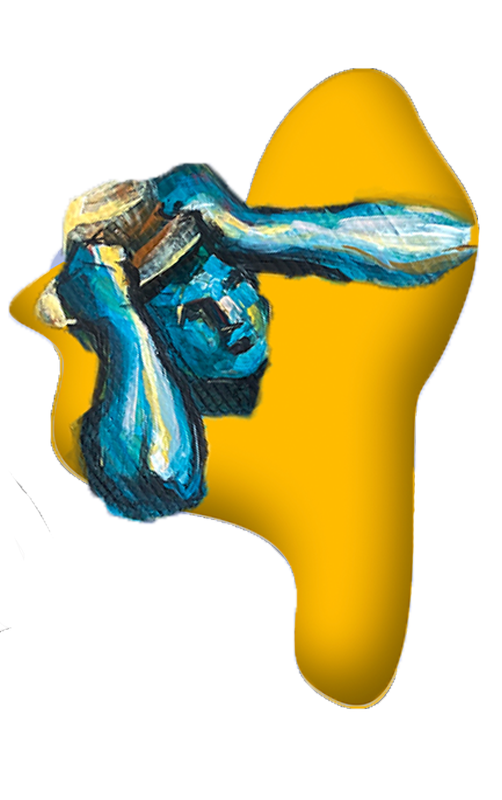
Color is a powerful tool that influences perception and evokes emotions in multidimensional ways. Life cannot do without color—whether it's in our environment, data products, food, or clothing, their colors impact our mood, feelings, and decisions. Color therapy has become more prevalent in recent years, using color to stimulate different parts of the brain, such as memory, perception, and emotions, to adjust imbalances. Many famous artists, such as Vincent van Gogh and Yayoi Kusama, have dealt with mental health issues like depression or schizophrenia. These unique experiences and emotions have given their works an extraordinary style and palette, allowing others to see the world from an entirely new perspective through their unconventional use of color.
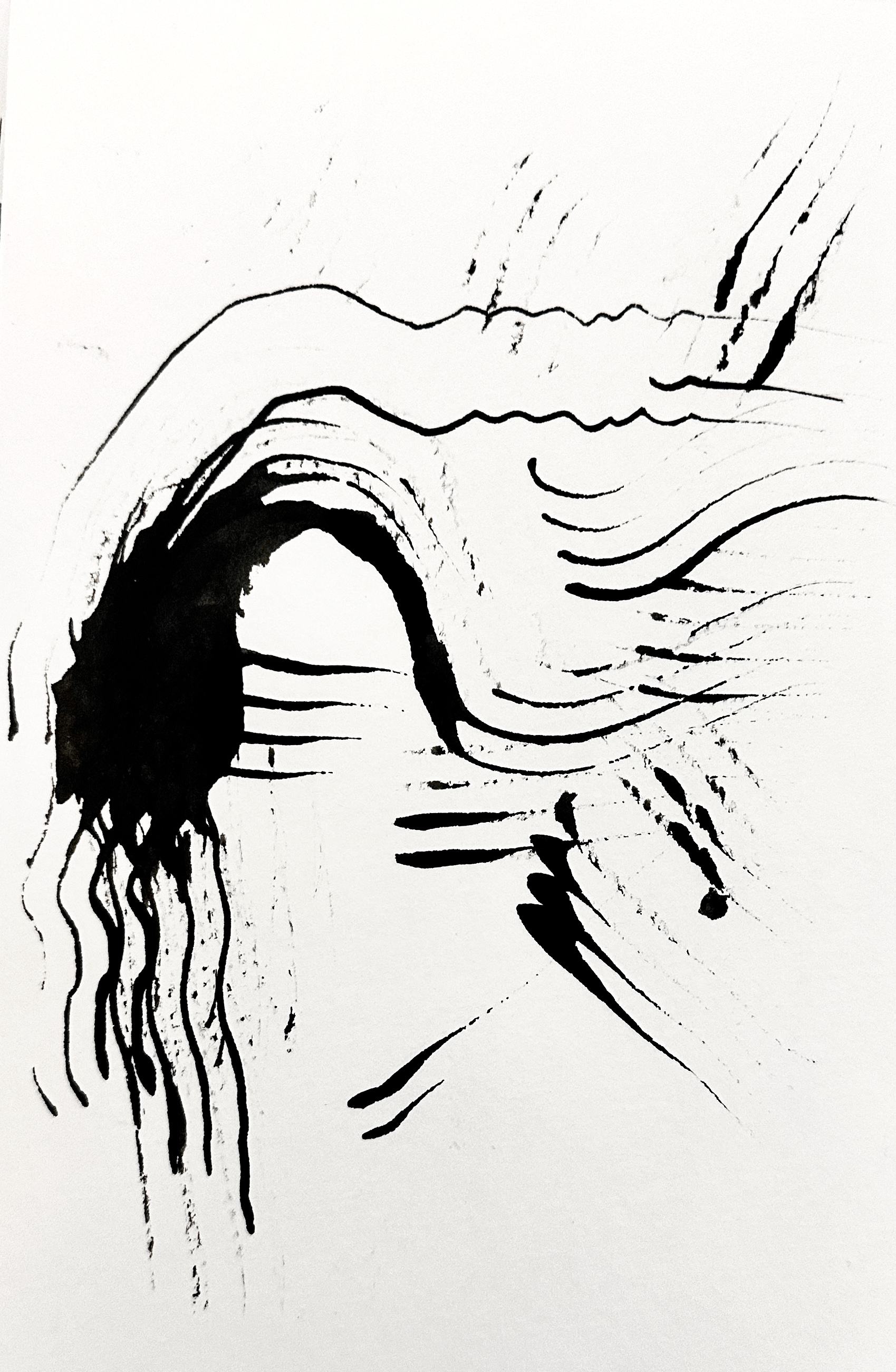
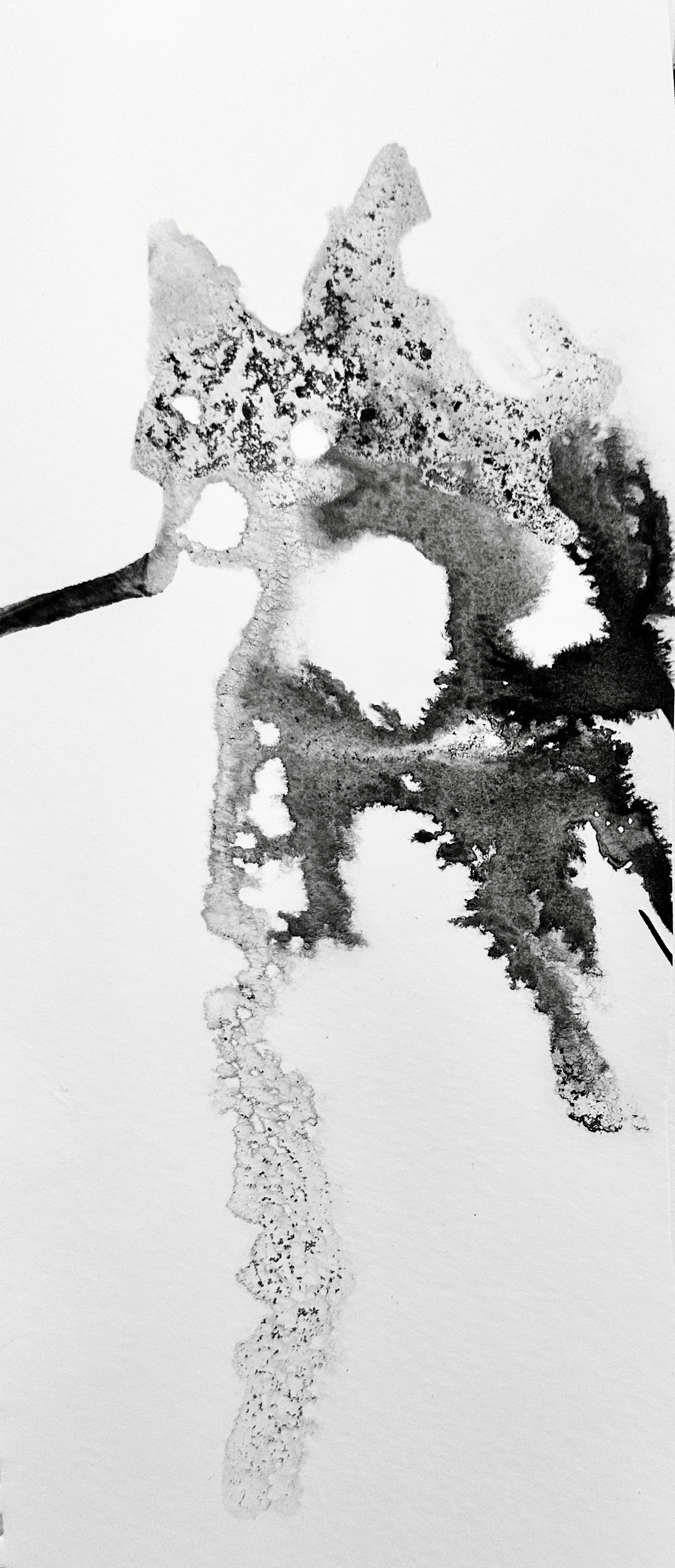
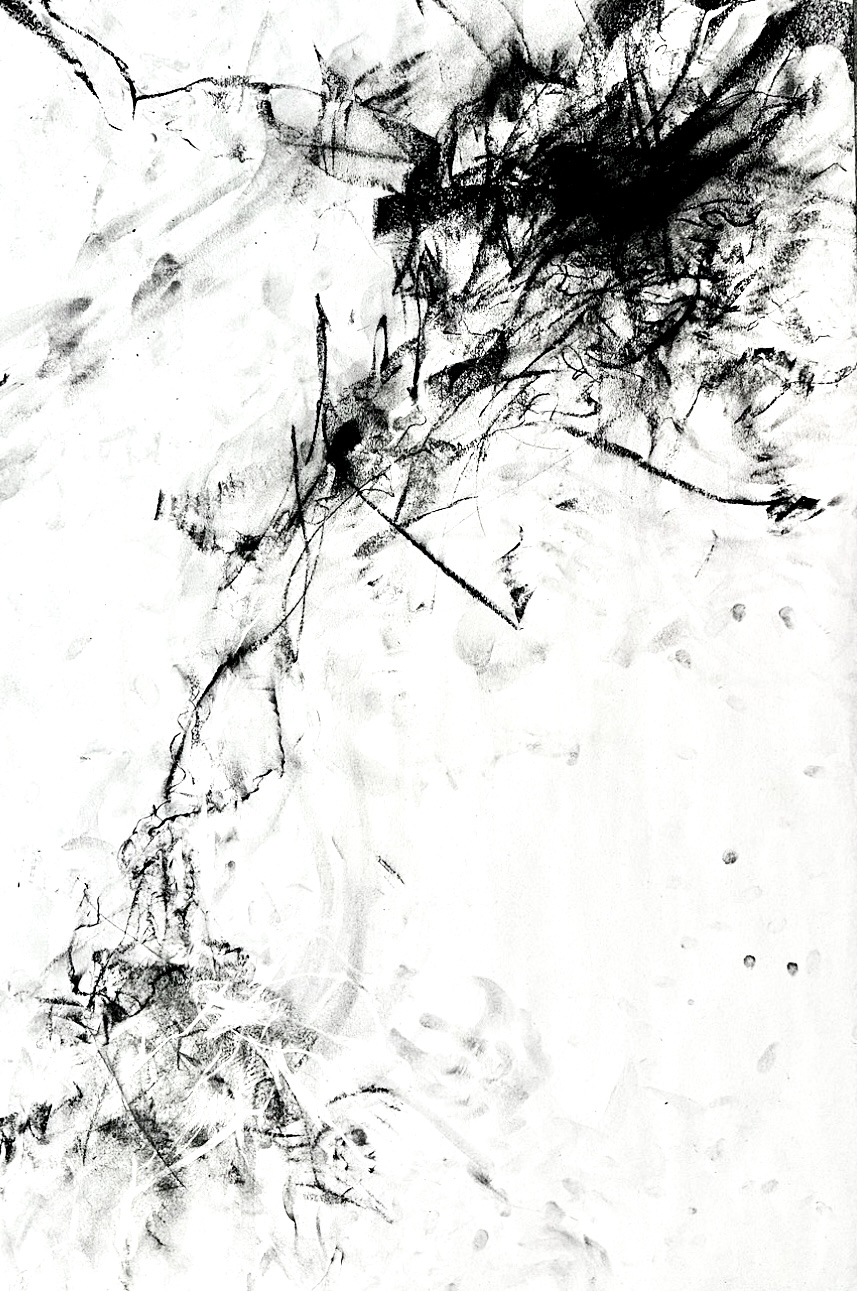
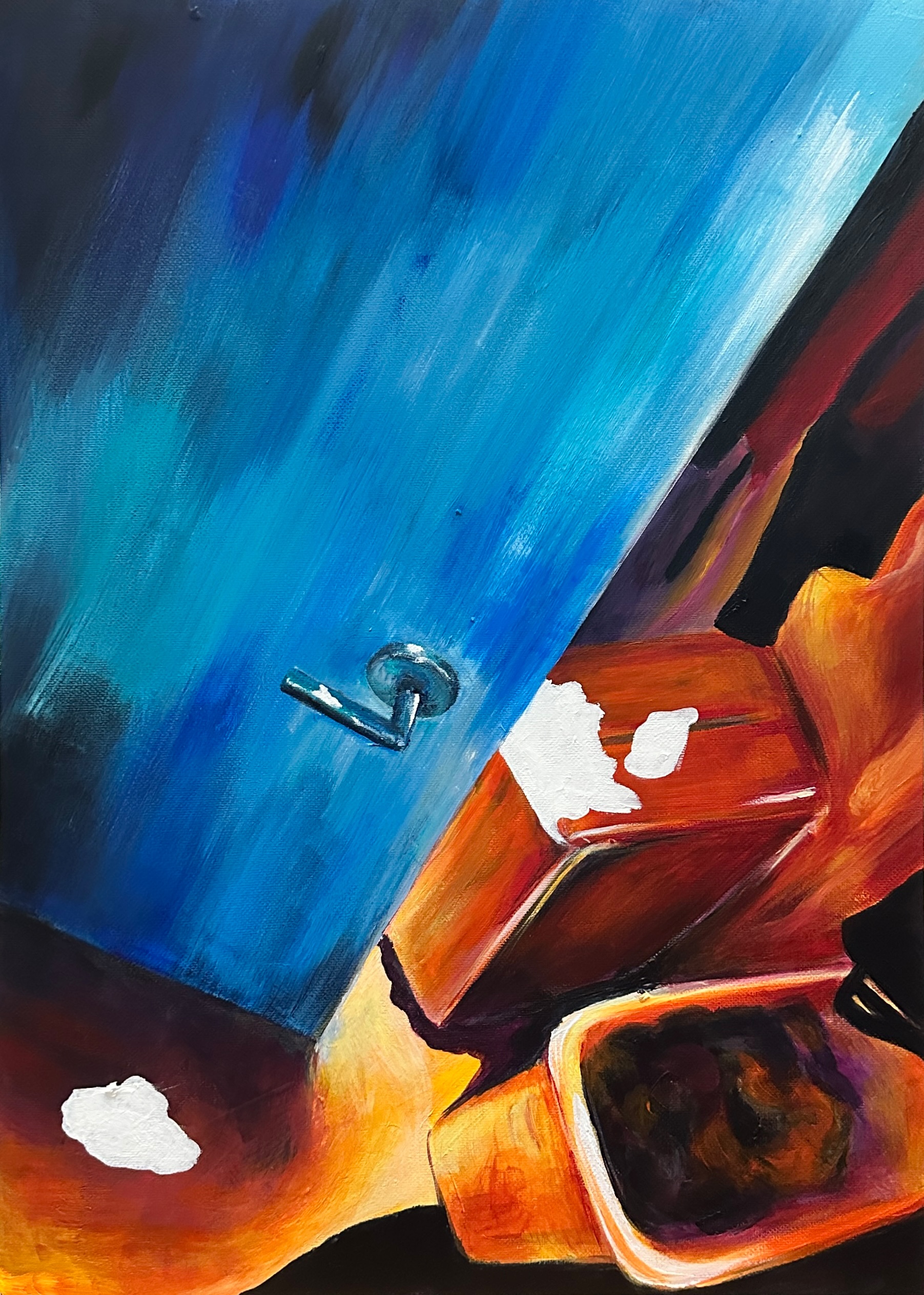
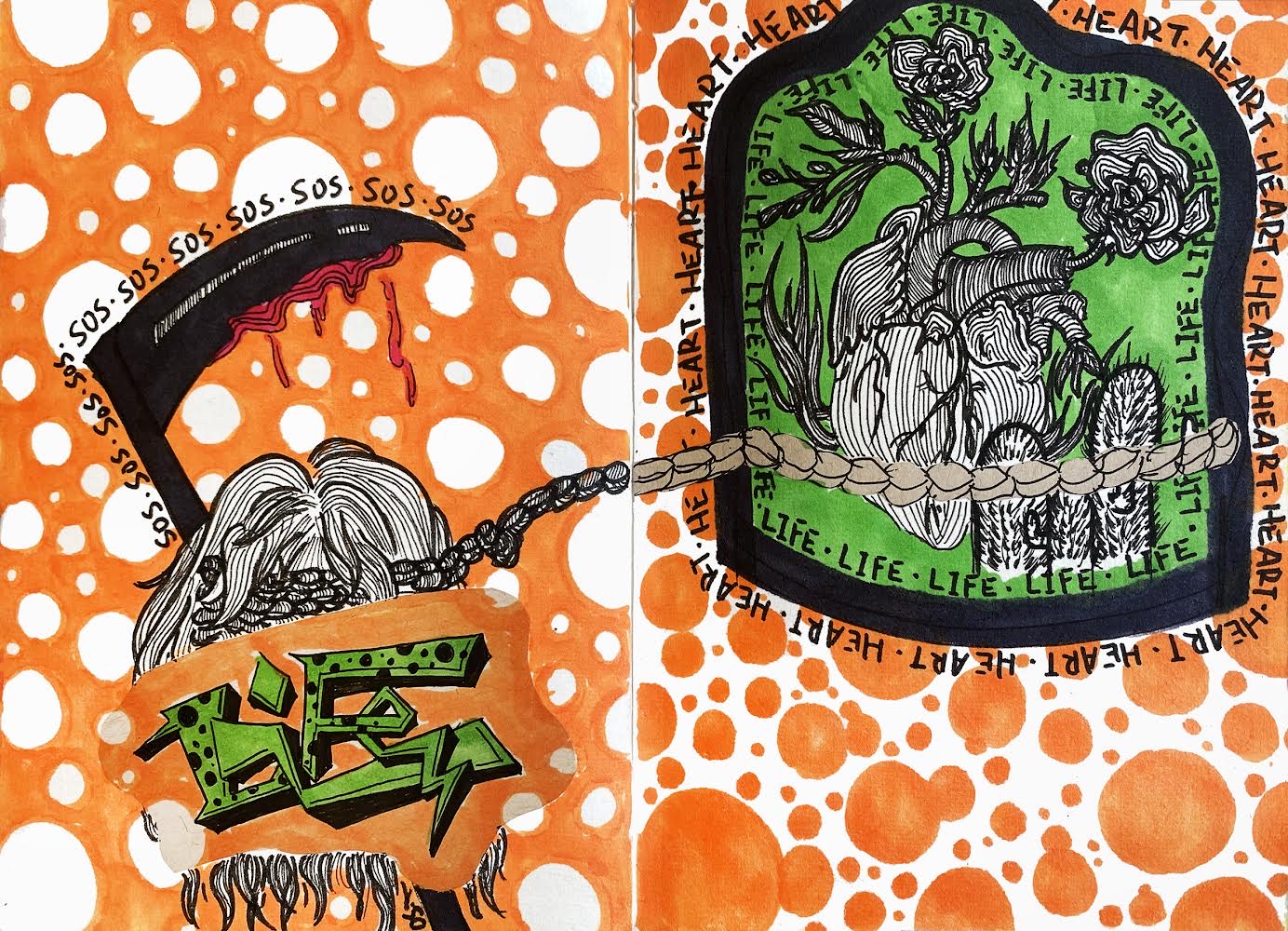
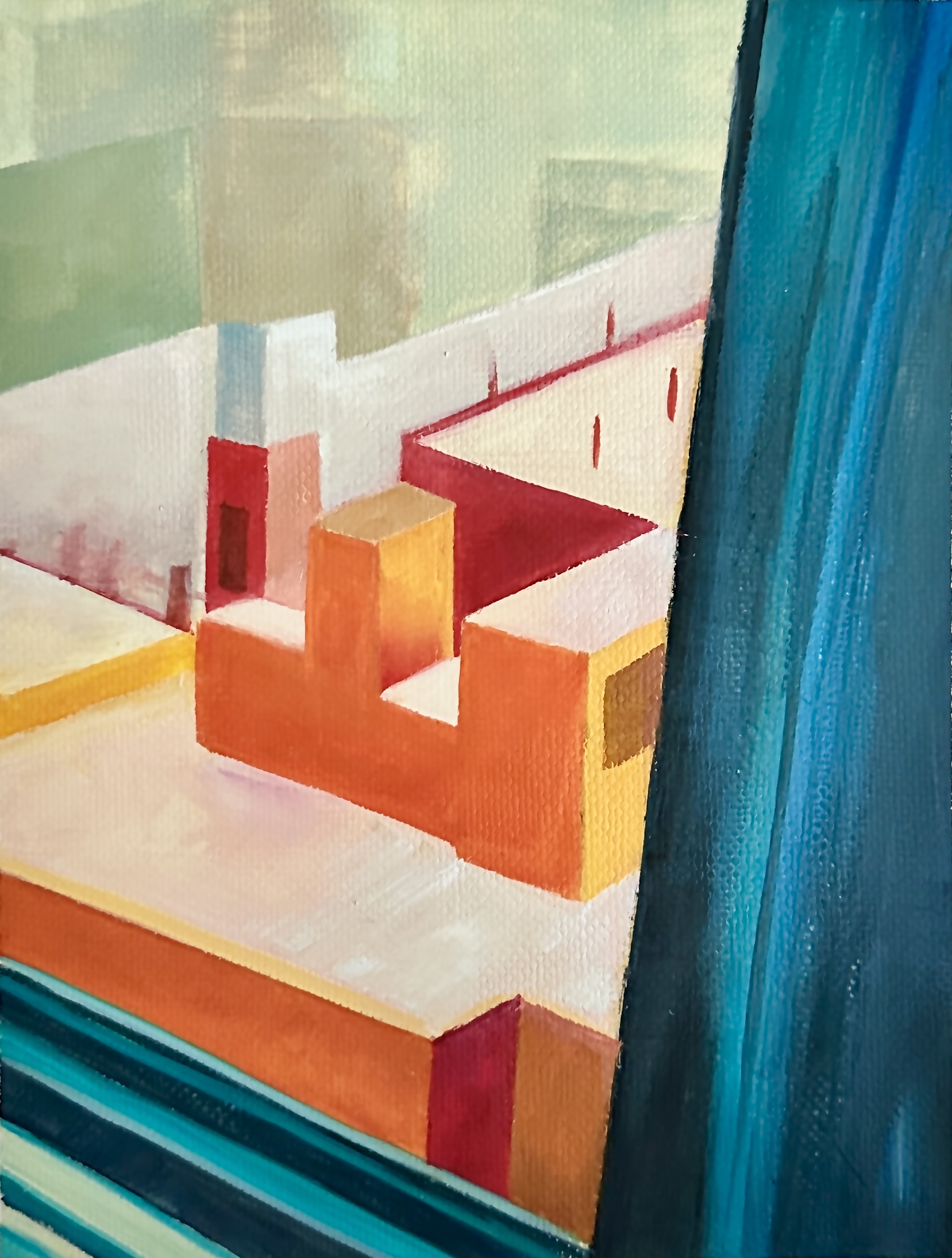
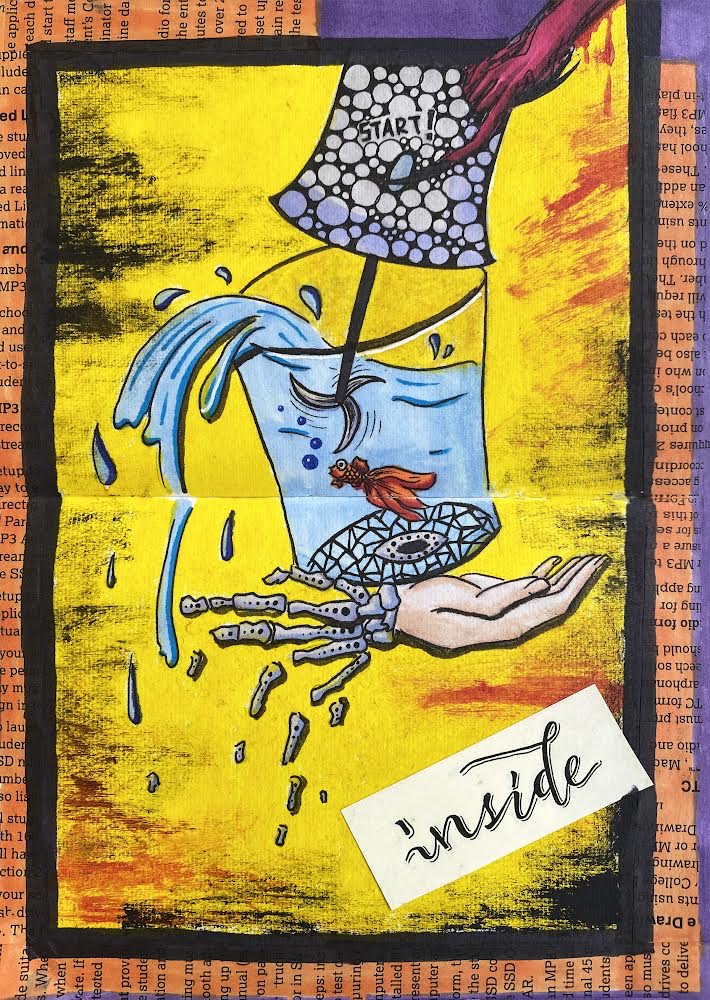
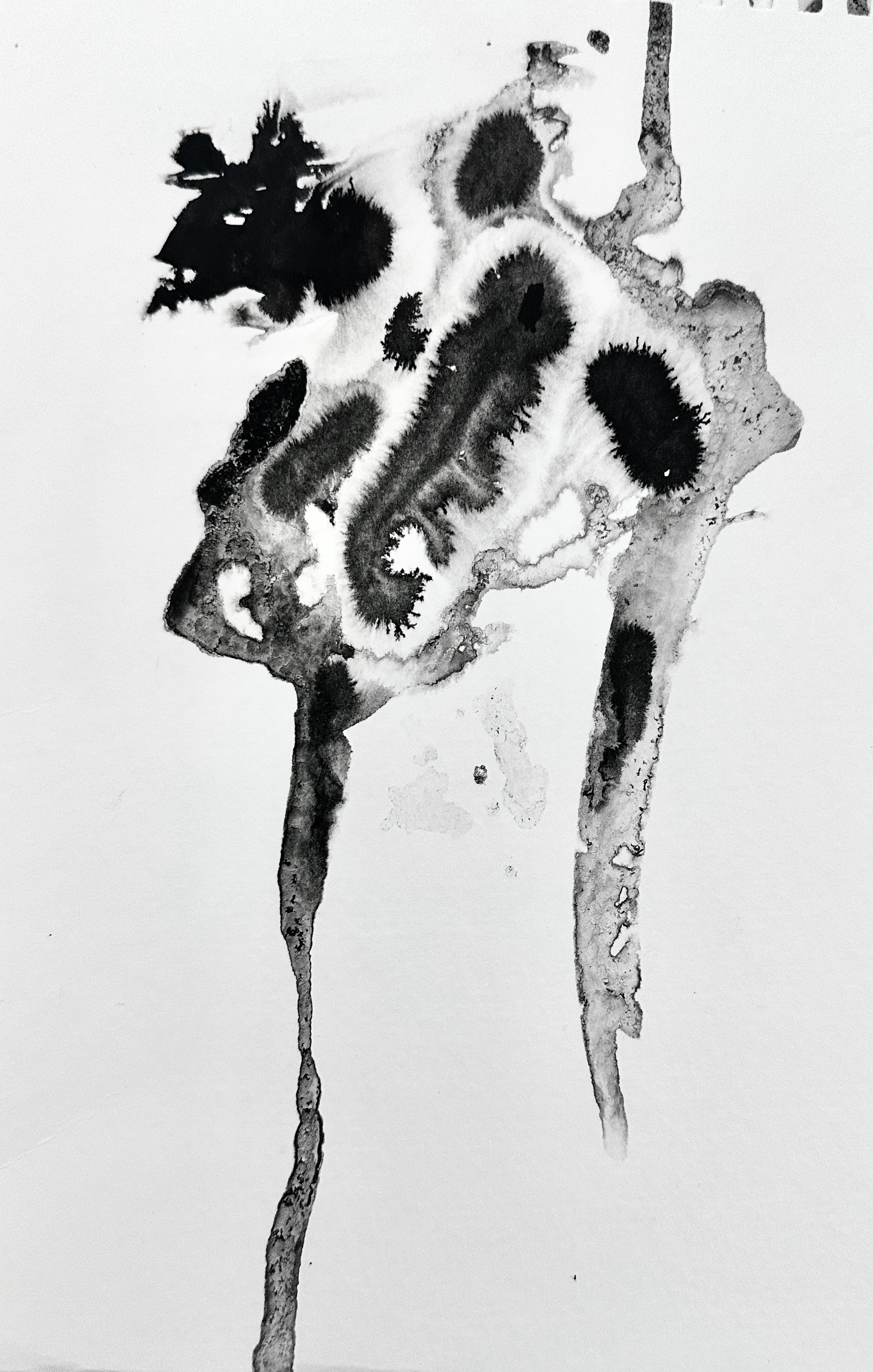
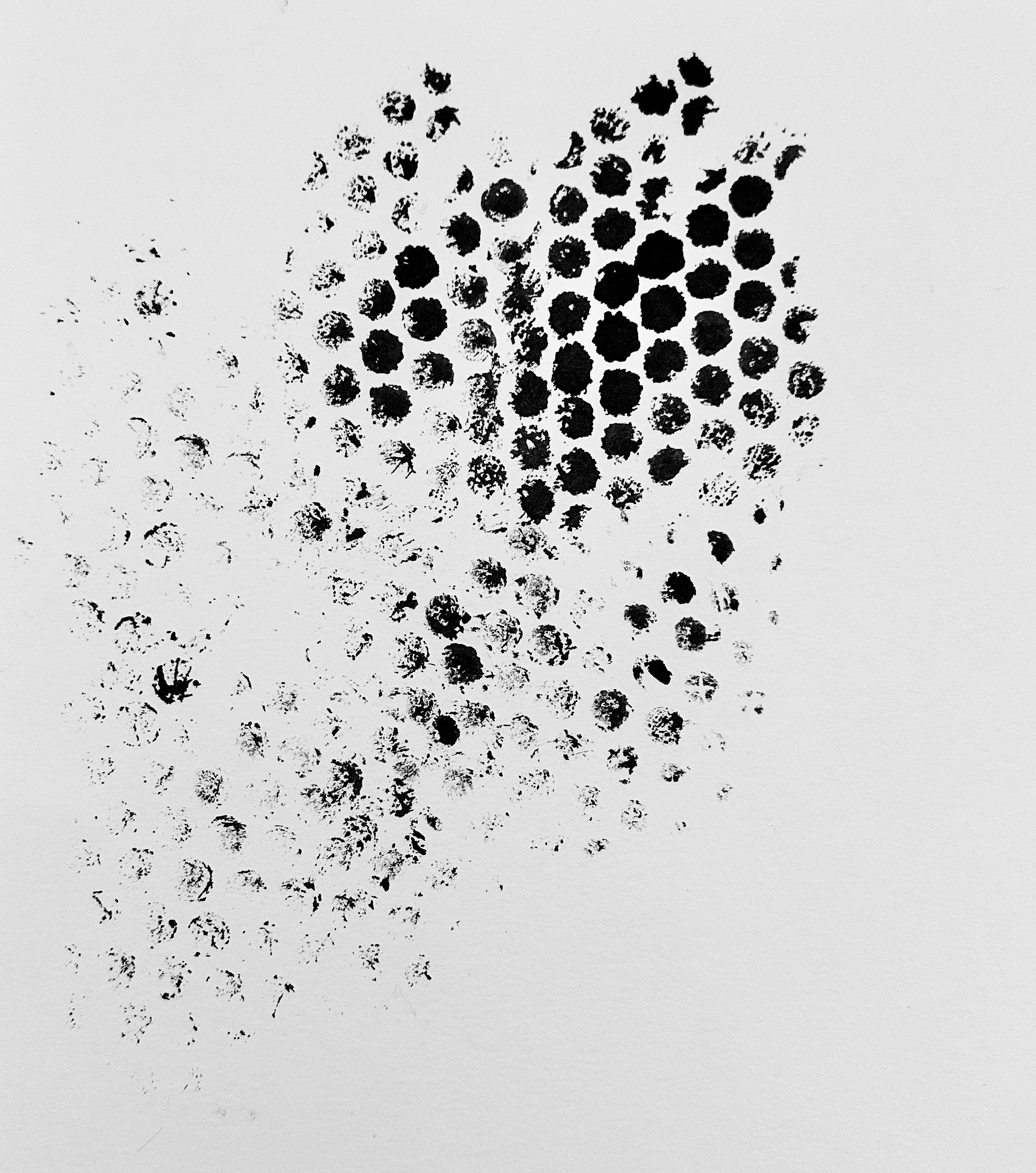
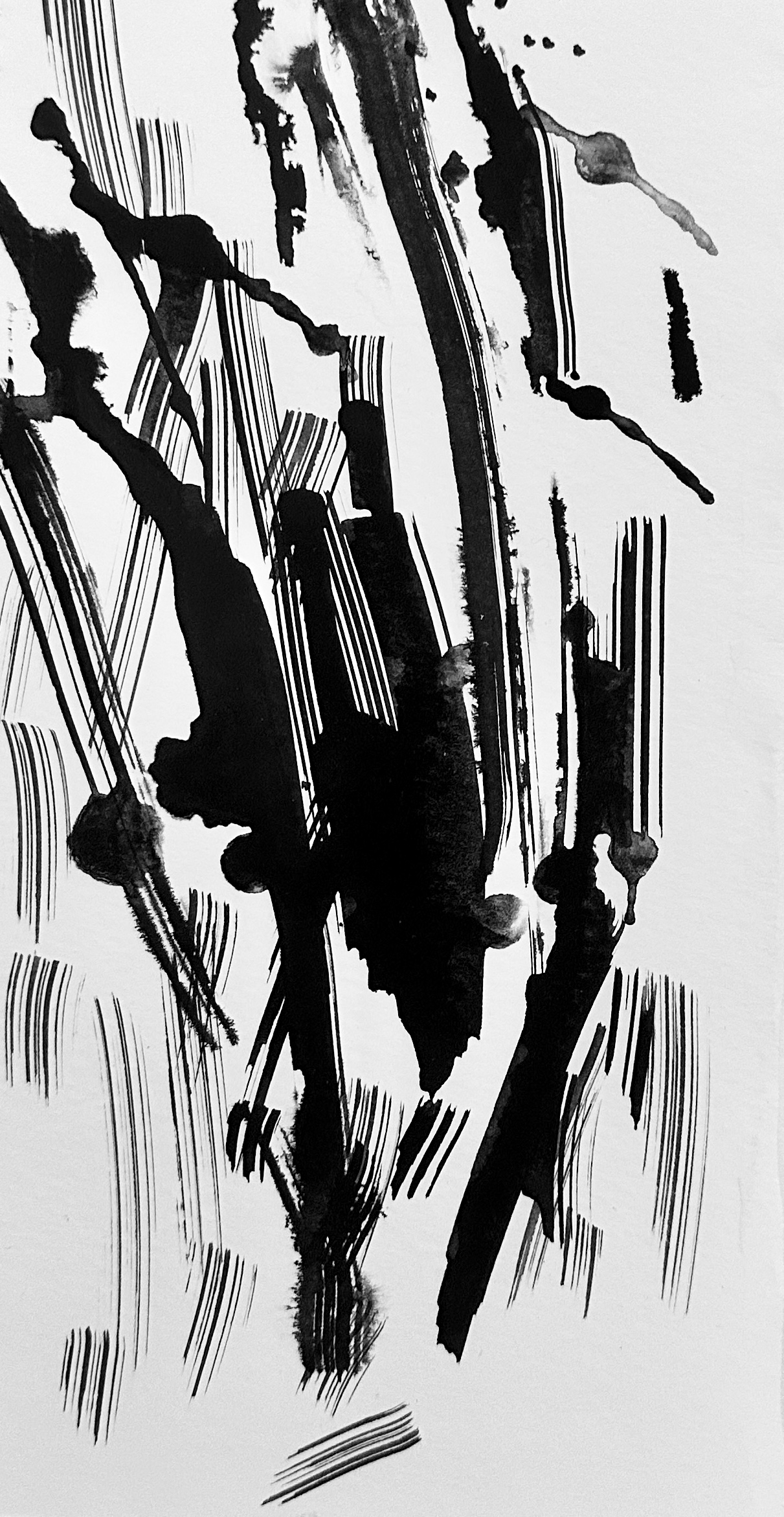
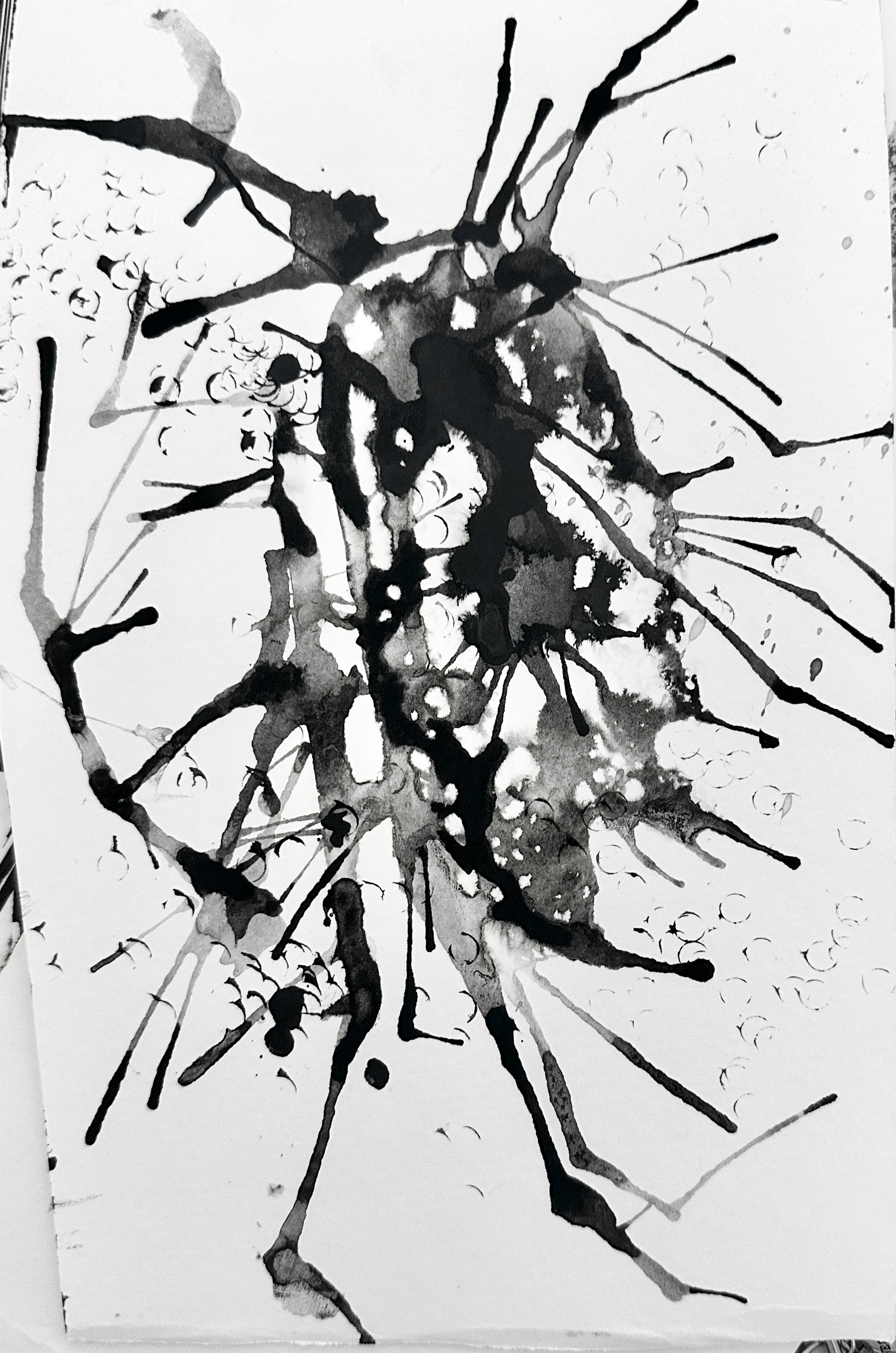
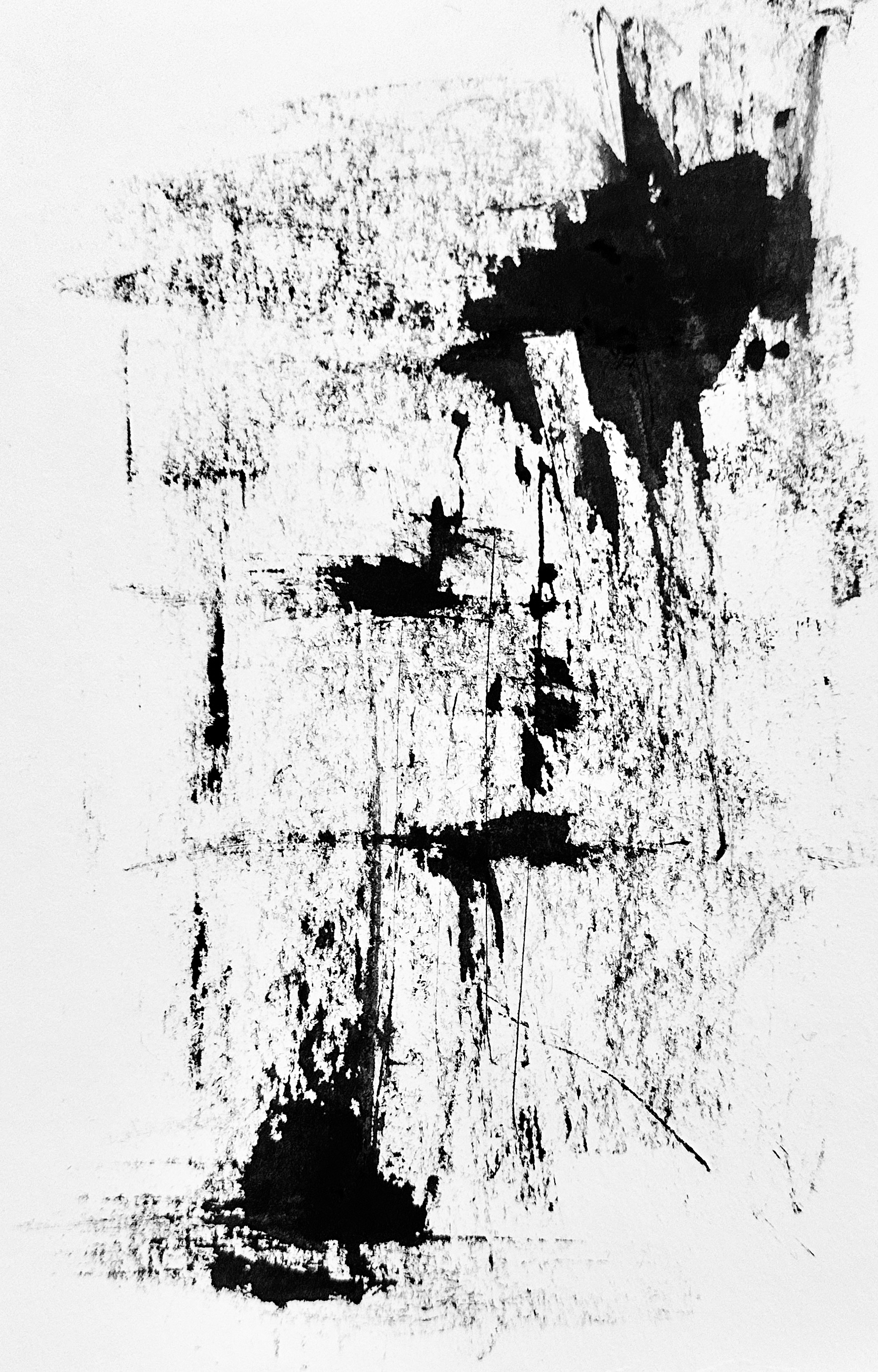
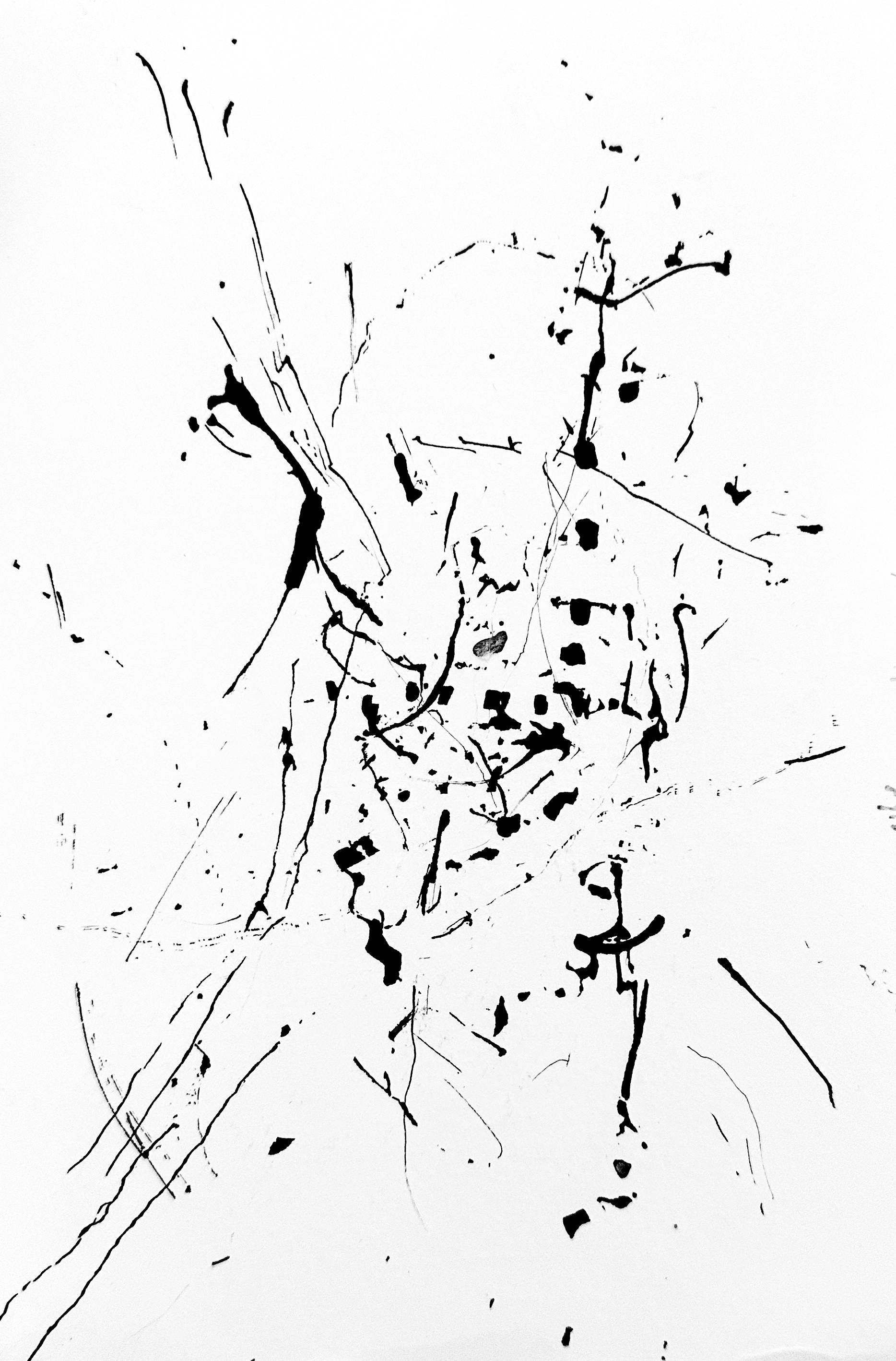
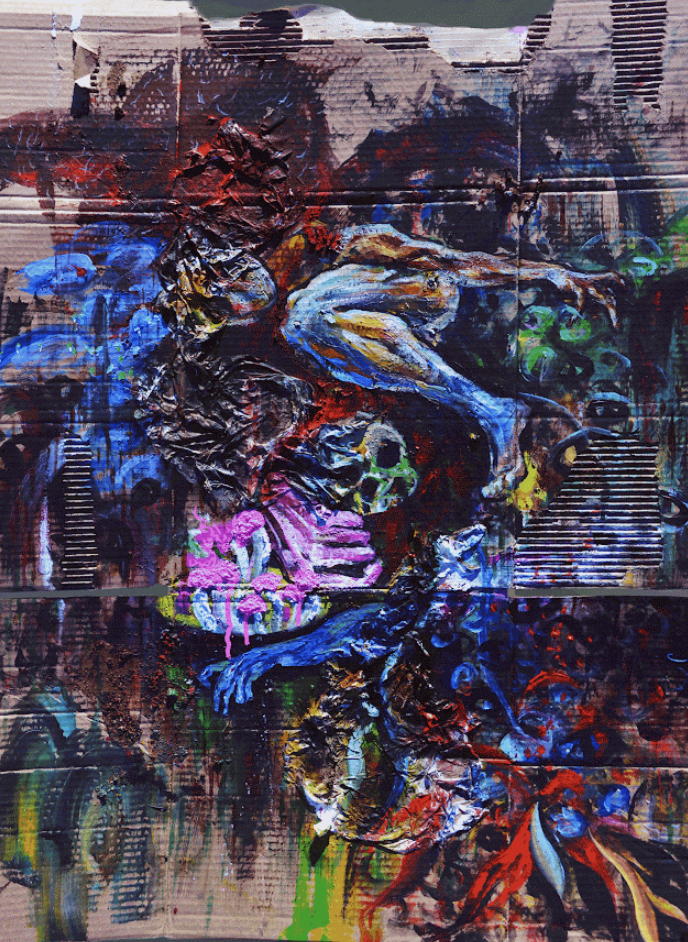
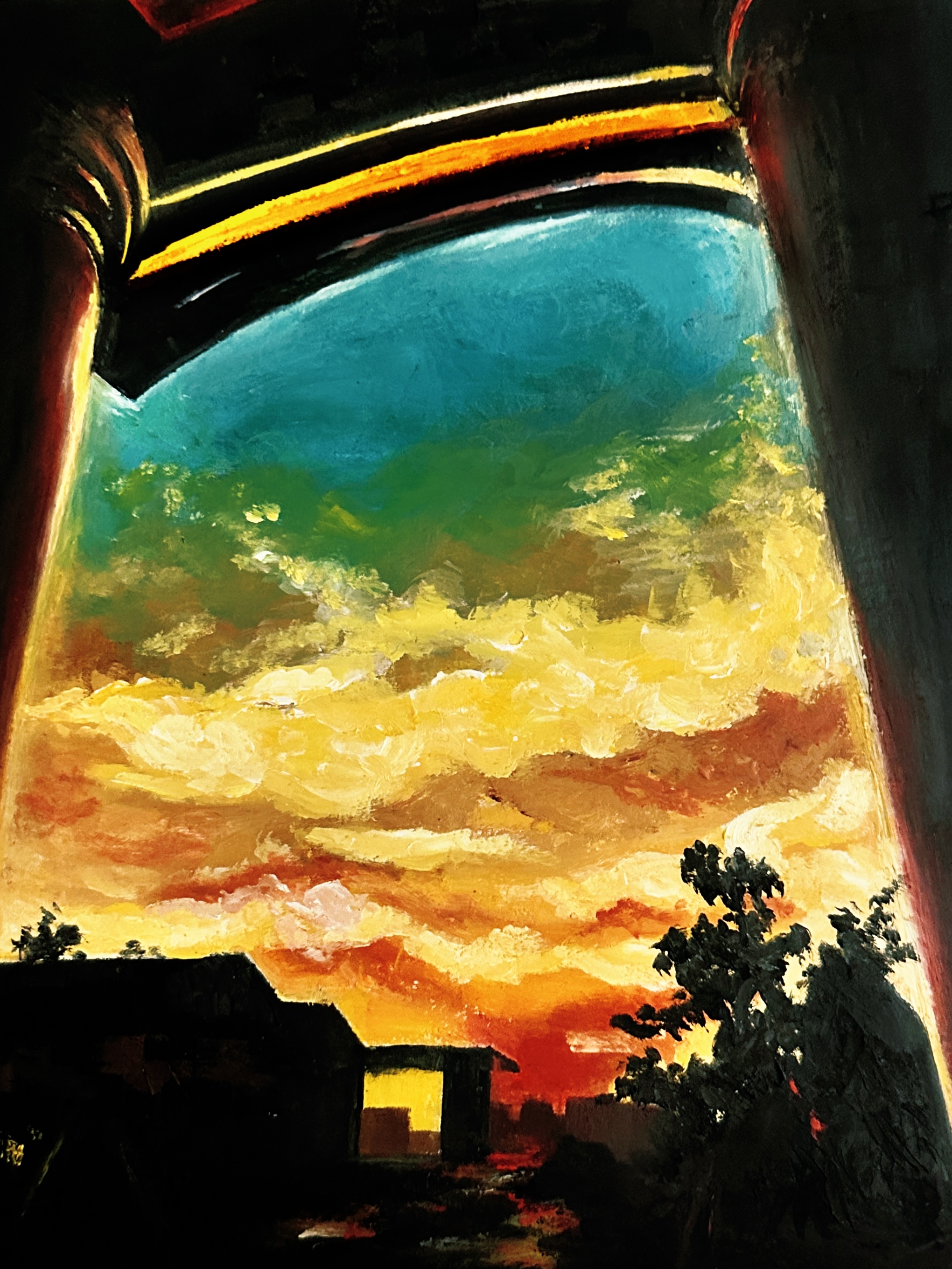
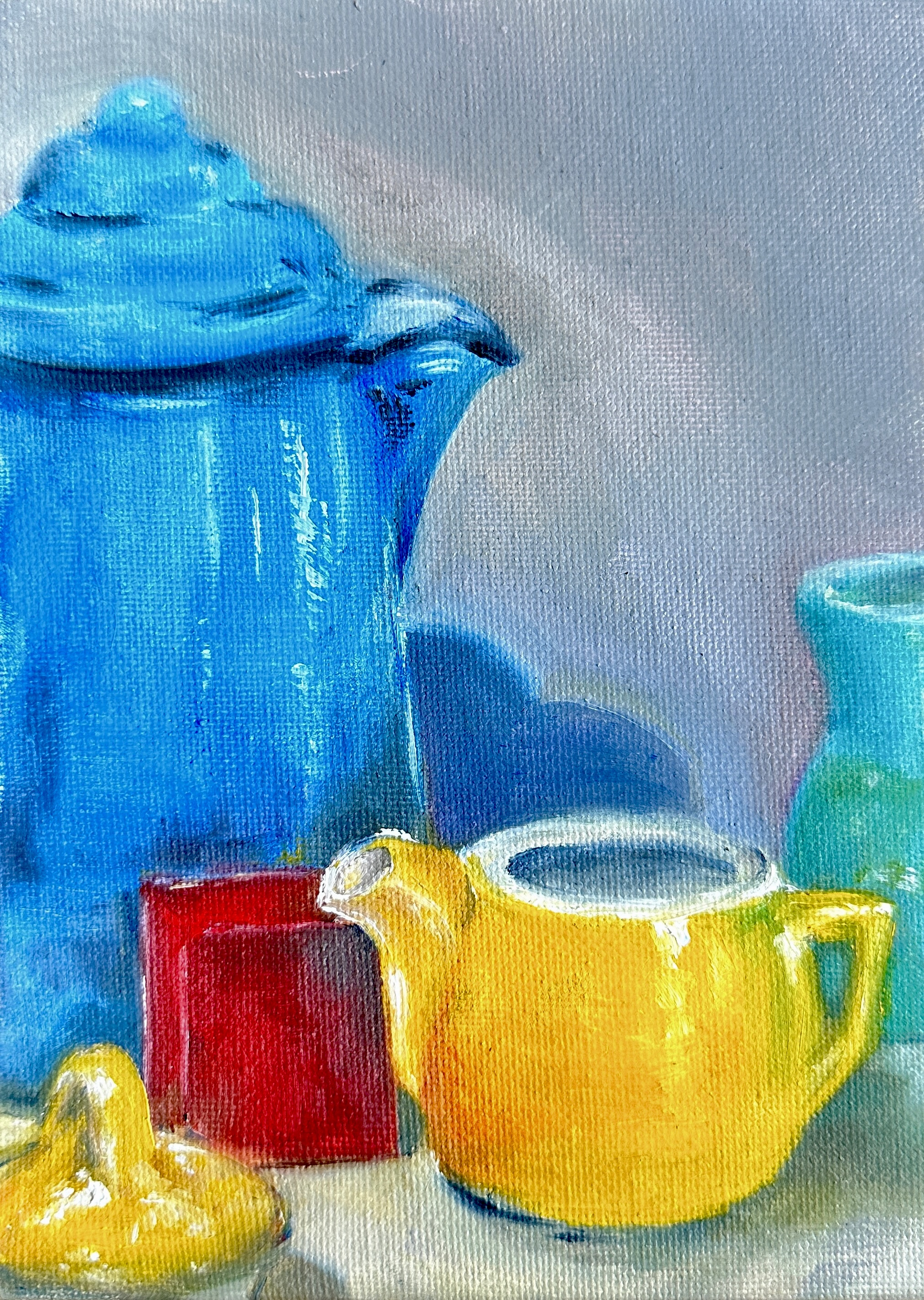
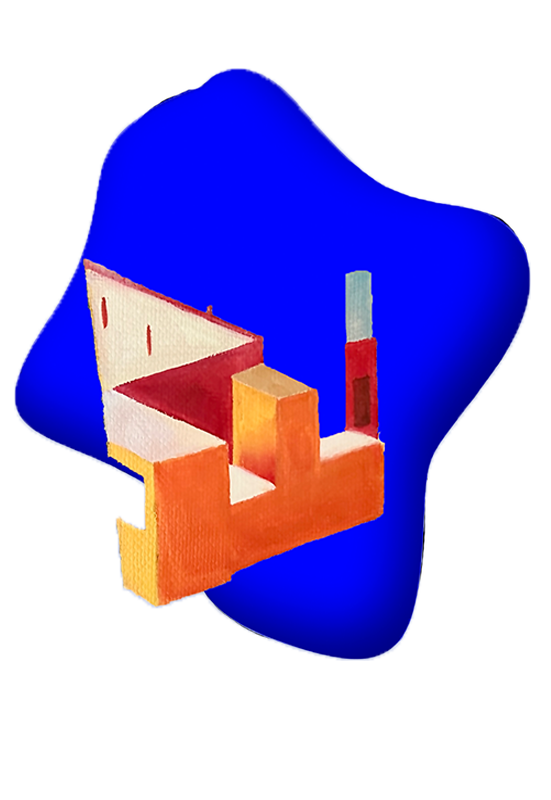
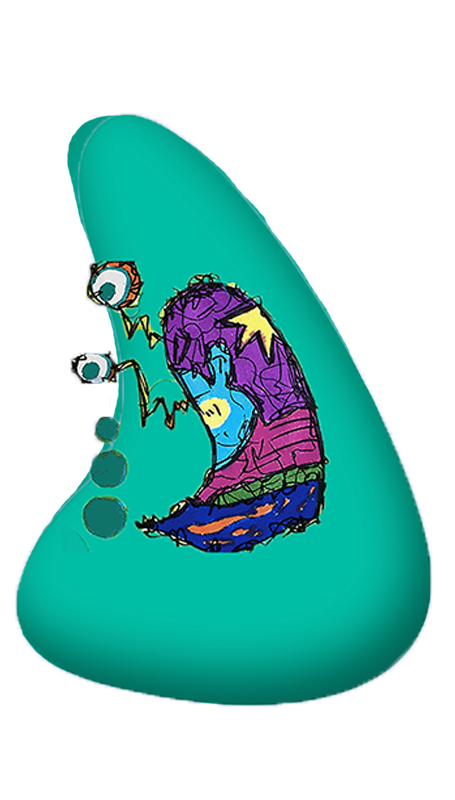
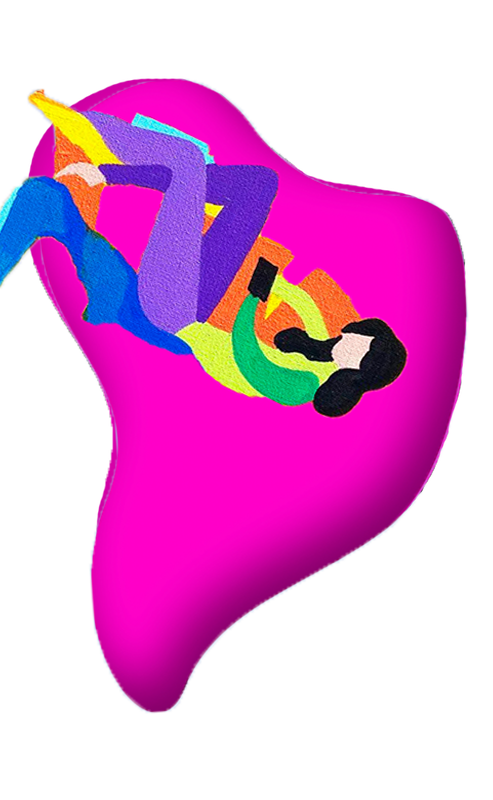
While artists choose colors based on their immediate emotions, using them as a means of self-expression and emotional release, designers must consider audience psychology, product concepts, brand essence, user experience, and other factors when selecting a color palette, striving to balance these elements. Whether in psychology or art, color serves as a functional language, transforming ordinary theories and creations into experiences that resonate on both conscious and subconscious levels. This collection explores the connections between color, psychology, and sociology through my past artistic works. It also reflects on how, as a design student transitioning from fine arts to the field of visual interaction, I can better balance and utilize color.